Why Updated Content Is Not Reindexed by Google (And How to Fix It)
You update a page, improve the content, and wait for rankings to move. Days or even weeks pass, yet search results still show the old version. Reindexing delays happen for specific technical and crawl reasons, and platforms like The Indexing Playbook exist because many large sites run into this exact problem.
Search Engines May Not Detect Meaningful Content Changes
Search engines revisit pages based on crawl signals and perceived importance. If an update looks minor, the crawler may not prioritize reprocessing the page. Google's indexing system focuses on efficiency, so pages that appear unchanged often remain in the existing index.
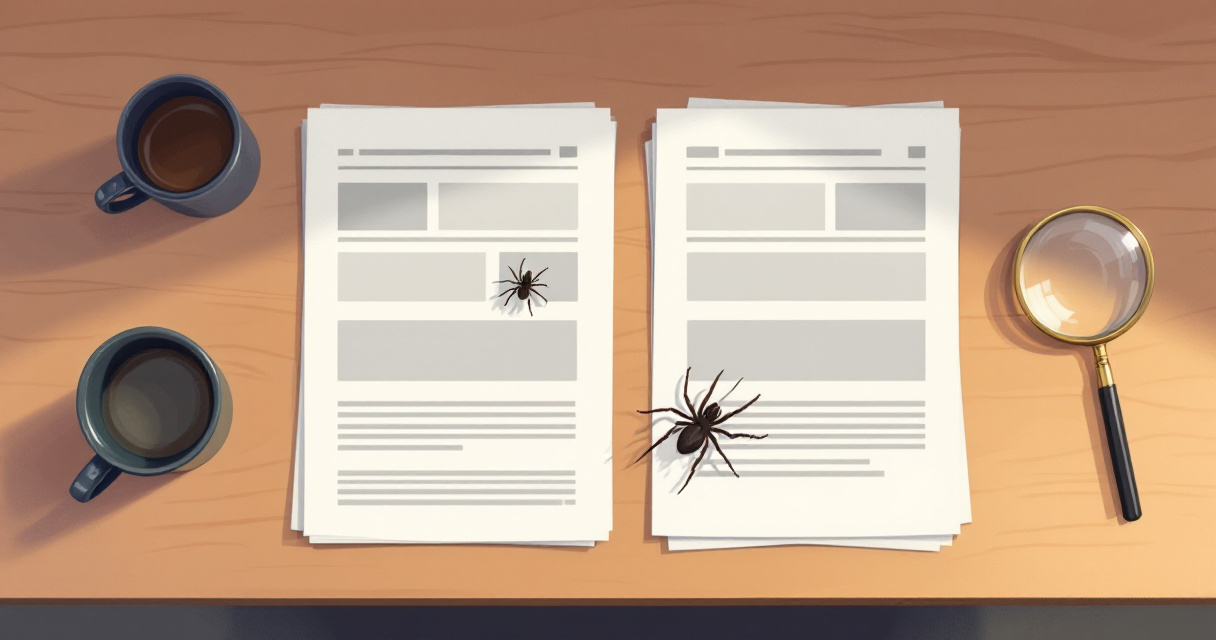
A static web page, defined by Wikipedia as a page delivered exactly as stored rather than generated dynamically, can make this problem worse. If updates do not significantly alter visible content, crawlers may treat the page as unchanged.
Small edits like correcting typos or adding a sentence rarely trigger rapid reindexing.
Large sites publishing thousands of pages often see this effect because their crawl budget spreads across many URLs. A minor update competes with brand new pages for attention.
Signals That Help Search Engines Notice Updates
Search engines rely on several signals to detect meaningful page changes. When these signals are weak or missing, reindexing slows down.
Common update signals crawlers evaluate:
- Substantial text additions or structural changes
- Updated internal links pointing to the page
- Fresh publication or modified timestamps
- Updated XML sitemap entries
- External links pointing to the revised content
Teams managing large sites often use systems described in resources like The Indexing Playbook to trigger these signals intentionally. The goal is simple: make updates obvious enough that crawlers treat the page as new information rather than a minor edit.
Technical Barriers Can Prevent Updated Pages From Being Reindexed
Sometimes Google actually crawls the page but still fails to update the index. Technical issues often block the refreshed version from being processed correctly.

Indexing systems rely on consistent signals from the page, server, and internal linking structure. Even small configuration mistakes can stop updated content from being recognized.
Common Technical Issues That Delay Reindexing
The following problems frequently prevent updated pages from appearing in search results.
| Issue | How It Blocks Reindexing |
|---|---|
| Canonical tag pointing elsewhere | Search engines treat another page as the primary version |
| Noindex directive | The crawler processes the page but removes it from the index |
| Cached server responses | Crawlers receive outdated HTML |
| Blocked resources in robots.txt | Page cannot be rendered properly |
| Redirect loops | Updated page never becomes the final crawl destination |
Large sites often discover these issues only after auditing crawl logs. Research on complex data systems, such as the data lake architecture examined in Sensors (Sarramia et al., 2022), highlights how indexing pipelines depend on clean data flows. When inputs are inconsistent, systems fail to refresh stored data efficiently.
Using structured workflows like those documented inside The Indexing Playbook platform helps teams systematically check these blockers before requesting reindexing.
Crawl Budget and Site Authority Influence Reindexing Speed
Even perfectly optimized pages can wait in line for reindexing. Search engines allocate crawl resources differently depending on site authority, update frequency, and server performance.
A site publishing hundreds of updates per day competes internally for crawler attention. Google prioritizes pages it predicts will provide the most new information.
Factors That Affect How Quickly Updated Pages Get Crawled
Search engines estimate crawl demand using several signals.
Major factors include:
- Overall site authority and backlink strength
- Historical update frequency of the page
- Internal linking prominence
- Page performance and server reliability
- Sitemap freshness and update timestamps
Academic work on data processing systems, such as research reviewed by Girin, Leglaive, and Bie (2021) in machine learning indexing pipelines, shows that prioritization mechanisms are common in large data systems. Search engines apply similar prioritization when deciding which documents to process first.
Pages that rarely change often receive fewer crawl visits, even after updates.
For SEO teams managing marketplaces, SaaS blogs, or programmatic content, structured indexing workflows from resources like The Indexing Playbook help push priority signals that accelerate crawl frequency.
Conclusion
Updated content fails to reindex for three main reasons: weak update signals, technical barriers, or limited crawl priority. Fixing these issues requires deliberate signals that show search engines the page truly changed. If your team publishes at scale, review the workflows inside The Indexing Playbook to systematically trigger faster crawling and indexing across large sites.